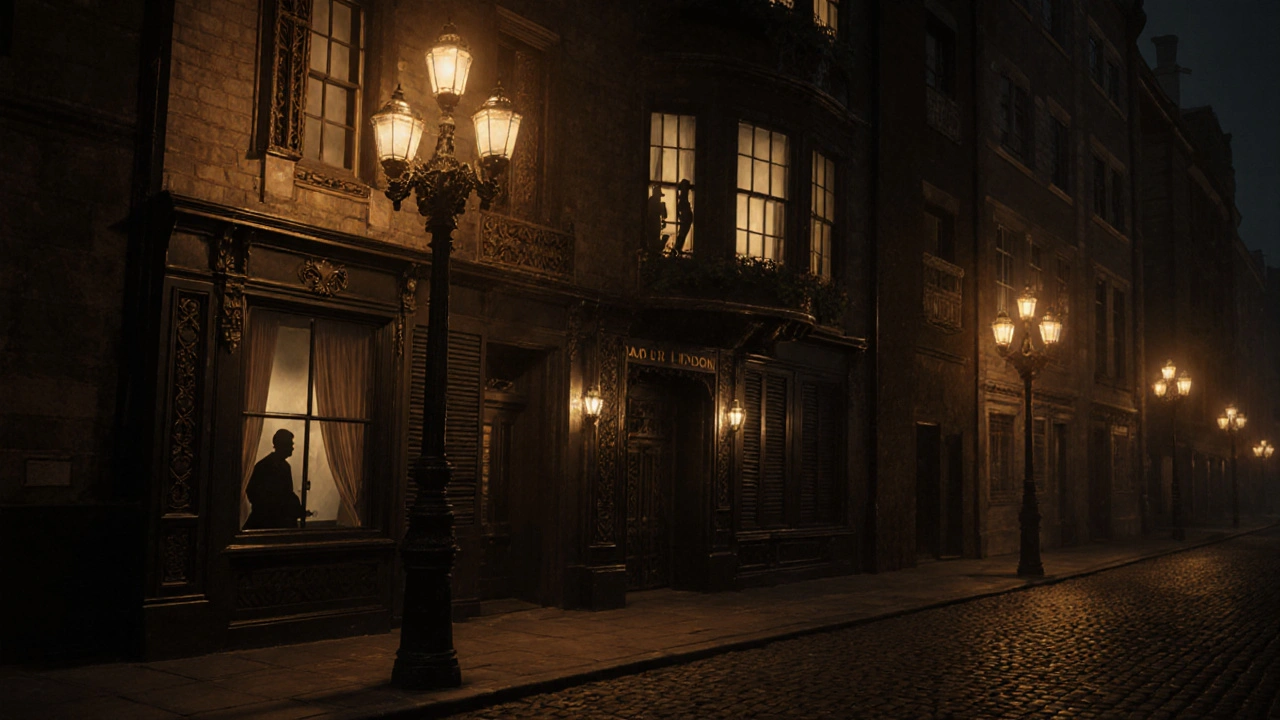
Historical Brothels London
When you hear historical brothels London, refers to the organized sex work venues that operated openly in parts of the city for centuries, especially in areas like Soho and Covent Garden. Also known as bawdy houses, these places weren’t hidden secrets—they were part of London’s social fabric, tolerated, regulated, and sometimes raided by authorities.
The UK prostitution law, a patchwork of rules that evolved from medieval times to the 1950s didn’t ban selling sex, but it made running a brothel illegal. That’s why madams didn’t run "brothels"—they ran "houses of entertainment" or "boarding houses." The Sexual Offences Act, especially the 1956 version was the final nail. It made it a crime to keep a brothel, manage sex workers, or profit from their work—even if the workers weren’t forced. That law didn’t end prostitution; it just pushed it underground.
Before that, places like Soho London, a district known for its nightlife and adult entertainment since the 1700s, had dozens of brothels. Some were run by women who owned property, hired staff, and even kept records. Others were rough, dangerous, and linked to crime. The difference wasn’t just location—it was class. Wealthy clients visited elegant houses with music and wine. Poorer women worked in back rooms or on streets, with little protection.
What’s surprising? Many of these places weren’t shut down because they were immoral—they were shut down because they became too visible, too loud, or too politically inconvenient. The Victorian era tried to clean up the city, not because of morality, but because the middle class wanted quiet streets and respectable neighborhoods. By the 1960s, brothels were rare. But the women who worked in them? They didn’t vanish. They just moved—into flats, into cars, into apps.
Today, you won’t find a sign that says "Brothel" in London. But the same questions remain: Who gets to decide what’s legal? Who’s protected? Who’s punished? The laws changed, but the power dynamics didn’t. That’s why looking back at historical brothels London isn’t about nostalgia—it’s about understanding how systems control women’s bodies, even when they pretend not to.
What follows is a collection of real stories, legal breakdowns, and comparisons that show how London’s past still echoes in today’s debates about sex work, safety, and freedom. You’ll find what the law says, how enforcement actually works, and how other cities handle it differently. No myths. No fluff. Just facts that matter.
London Brothels: History, Law, and Reality Today
London brothels are illegal today, but they shaped the city's history. This article explains how current laws harm sex workers, why decriminalization is the solution, and what real change looks like.
Read More
London Brothels: History, Law, and Reality Today
London brothels are illegal today, but sex work still exists underground. Learn how the law shaped its history, why brothels disappeared, and how workers survive in the shadows.
Read More